 iFreePress Bringing News on Time Every Time
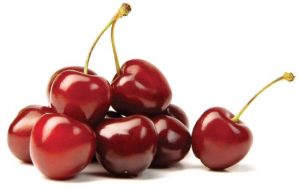 Summer has truly arrived once the sweet, juicy Bing, Rainier and other fresh cherry varieties start showing up at your supermarket or local farmers market. Grab them while you can, since the season is brief — running from May through August.
Below are 10 reasons to make the most of cherry season:
They deliver serious nutrition. A serving of sweet cherries (5 ounces, 1 cup or roughly 21 cherries) supplies 90 calories and 3 grams of fiber, and is a good source of potassium and vitamin C. Cherries also abound in anthocyanins — bioactive compounds linked to antioxidant, anti-inflammatory, anti-cancer and cardiovascular benefits, among others. Studies indicate that melatonin, catechins and flavanals in cherries add to the fruit’s health value as well.
They help keep blood sugar steady. Cherries rank among the lowest of all fruits for both glycemic index and glycemic load. Their glycemic index is 22 and their glycemic load is three. The glycemic index reflects how a carbohydrate-containing food affects blood sugar levels; a score from zero to 55 counts as low. The glycemic load gauges the blood sugar response to a standard serving of that food.
You can count on quercetin. Cherries are loaded with quercetin, a natural flavonoid tied to powerful antioxidant and health benefits. Quercetin helps neutralize potential DNA damage from free radicals and may help guard against heart disease and certain cancers, including breast, colon, prostate and lung. It also delivers strong anti-inflammatory and antihistamine effects. In one animal-model study, a quercetin-rich cherry extract helped lessen the negative health effects of a high-fat, obesogenic diet.
They’re all-American. The United States ranks second worldwide in cherry production (Turkey holds the top spot). Sweet cherries (Prunus avium) are grown mainly in Washington, Oregon and California, while tart cherries (Prunus cerasus) come primarily from Michigan, Utah and Washington.
They help soothe joint pain. Multiple studies indicate that cherries’ anti-inflammatory properties can help calm the inflammation behind arthritis and gout and the achy joints they cause. A USDA study found that Bing cherries in particular helped lower participants’ blood uric acid levels — high uric acid is linked to gout. Another study found that eating cherries was tied to a 35 percent drop in gout attacks over a two-day period. Combining cherry intake with standard gout medication cut attack frequency by 75 percent.
They work as a natural sleep aid. Research on tart cherry varieties shows they are rich in melatonin, a compound that helps regulate the body’s natural sleep-wake cycle. Studies link supplements made with cherry juice concentrate to better sleep.
You’ll get more out of your workouts. Cherries and cherry juice are frequently recommended for post-exercise recovery thanks to their antioxidant and anti-inflammatory properties. One study found that strength athletes who took a tart cherry supplement recovered better from intense strength training than when they drank a fruit-juice control beverage. Other research on endurance athletes likewise ties cherry compounds to improved recovery after exhaustive exercise.
They’re more than just pie filling. Cherries fit into a wide range of dishes — from cocktails and appetizers to side dishes and desserts. Toss juicy cherries into salads, fold them into whole-grain dishes, whip up a cherry BBQ sauce (like this recipe) or mix a lighter spritzer to stay refreshed.
You can learn to cherry-pick cherries. The freshest sweet red cherries feel firm and show their natural full color, which varies by variety — from the deep-crimson Bing to the super-sweet yellow-with-red-blush Rainier. A bright green stem is another sign of freshness. Steer clear of cherries with bruises, blemishes or cracks.
There are storage secrets, too. To keep fresh cherries at their best, store them unwashed and uncovered in the refrigerator for up to a week. Rinse with water just before eating. You can freeze them as well: rinse with cold water, leave the stems and pits in, and let drain. Pack into freezer bags or containers and freeze — they’ll stay fresh for up to a year.

