Riyad Mansour, the Palestinian U.N. ambassador, said the Palestinians “deeply regret” Ban’s decision to exclude Israel from the list which contradicts U.N. evidence.
Aziz Dweik, speaker of the Palestinian Legislative Council, was arrested on June 16, 2014, as Israel staged a massive manhunt for three teenagers who were snatched from a road in the southern West Bank by Palestinian militants linked to Hamas. “There is ample evidence on persistent grave violations committed by Israeli forces since at least 2006 that should have triggered listing”, Parker added.
But while the Secretary-General earlier promised to “spare no effort to ensure that such incidents will never be repeated”, it was much to people’s dismay when it turned out he had left Israel off the list of those who harm children in conflict.
UN special envoy for children and armed conflict, Leila Zerrougui of Algeria, had included Israel’s army and Hamas in the draft of the report she had previously sent to Secretary-General Ban Ki-moon, UN sources said.
Last week, Human Rights Watch urged the UN chief to resist pressure from Israel and its allies to drop the Jewish state from the list. But sadly, in this case it appears that political pressure has prevailed.
UN agencies, however, were divided on the issue, according to Haaretz. Both Israel and the United States reportedly pressured Ban to keep Israel off the list.
In addition to its repeated aggression against the besieged coastal enclave, Israel continues to press ahead with its illegal settlement activities in the occupied Palestinian territories despite a global outcry.
Such a recommendation comes after UN bodies collect evidence in collaboration with human rights organizations, according to specific criteria mandated in UN Security Council Resolution 1612.
Countries whose national or regional armed forces were included on the blacklist were Afghanistan, DRC, Somalia, South Sudan, Sudan, Syria, Myanmar and Yemen.
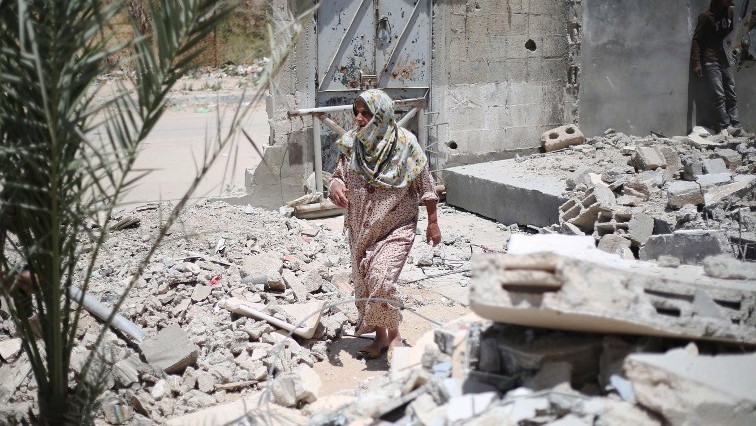
Ban’s spokesman, Stephane Dujarric, was pummeled with questions about why Israel was not put on the list because of the high casualty toll in last summer’s Gaza war and attacks on seven schools.
More than half a million Israelis live in over 120 settlements built since Israel’s occupation of the Palestinian territories in 1967.
On August 5, 2014, a total of 129 organizations and prominent individuals called on Ban to either do something or resign in light of his “biased statements… failure to act, and the inappropriate justification of Israel’s violations of worldwide humanitarian law, which amount to war crimes”. They also said Israel lobbied Mr Ban hard to stay off the list, though it denied pressuring him.